

Promoting the benefits of nature-based solutions through community initiatives.
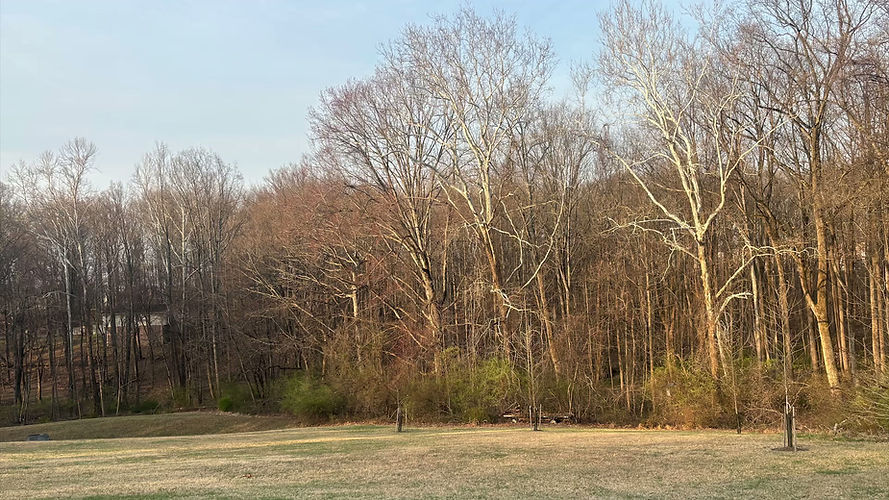
The Clarksburg Yard Meadow

America’s urban landscape is traditionally based on the pursuit of the perfect lawn. To maintain a manicured, uniform yard, we are spending precious money, time, and environmental resources.
Previously, this lawn was a monoculture of grass that was being mowed and cared for many times a year. Between water consumption, chemical inputs, and greenhouse gas emissions from mowing, maintaining this lawn in the traditional way meant the loss of biodiversity of plants, wildlife, and the bacteria and fungi necessary for healthy soil.
Pastor Beth and other leaders at Clarksburg Church recognized that the transformation of this piece of land from lawn to meadow would not only create a thriving environment but would also bring a community together. As part of the church’s “The Yard” initiative, creating a native meadow was part of the mission to foster a vibrant, inclusive, and sustainable community. By integrating environmental stewardship with community development, the meadow at The Yard helps build meaningful relationships with residents, schools, organizations, and stakeholders while promoting civic engagement, wellness, and sustainability. Through partnerships between Clarksburg Church, the Chesapeake Bay Foundation, Common Ground Earth, and Montgomery County, what has taken years to organize and plan is finally being implemented.
Preparation for converting the half acre of lawn to meadow began in early April 2026. The grass and weeds were first removed by solarization. This removes competition from weeds and invasives that could prevent the native plants from establishing.
In May, 2026, about 20,000 native plugs were installed. A plug is a plant that was grown from seed in a greenhouse in trays of 72 or 50 individuals that are 2 inches wide and up to 5 inches deep. Another way to install a meadow is by sowing seeds. But by installing plugs, this meadow has a jump start in establishment and is immediately able to shade out competitors, cool the soil with its shade, and give visitors an eyeful of beautiful texture and color. Some species planted are butterfly weed, coreopsis, phlox, mountain mint, coneflower, goldenrod, milkweed, and various sedges.
The CGE team and church volunteers worked for three days placing each plant carefully into the soil. Thankfully, a soaking rain accompanied the installation which gave the plants a nourishing drink and helped them transition into their new home.
An important part of meadow establishment is monitoring and adaptive management. Not all plants will survive, so the CGE team will be conducting regular site visits to monitor survivability, weeds, watering needs, pest issues, and plant health. It is our goal that 85% of the plants will survive. We support the meadow by managing weeds, preventing pest, and replanting if necessary.
One cool feature of a meadow is that, like humans, it changes over its lifetime. The plants installed are just a starting point, and in a few years, it will likely transition into something different. Successional species thrive in the first one to three years but then die and make way for species that need more time to germinate and produce seed. This is the natural progression of a meadow, and it is exciting to watch the changes as the years go by.
The planting is complete, and monitoring in progress. We invite you to come tour the meadow and be a part of the Clarksburg Community. CGE will be participating in the Clarksburg Yard monthly Saturday Farmers Market by immersing the community in topics such as pollinators, plant diversity, and seed harvesting. We hope to see you there!


Clarksburg Yard Transformation

Right now on the land there is a church building and a couple of small parking lots. These will remain on the land throughout the development and after it’s done. Native meadows will be incorporated for the public to enjoy and learn from.


A Strong Sustainable Community

In our strong and diverse church community, we believe that faith and sustainability go hand in hand. Together, we embrace various backgrounds and perspectives, an inclusive environment where everyone feels valued. By promoting sustainable living practices, we not only care for our planet but also demonstrate our commitment to stewardship and compassion for future generations. Join us as we work together to create a healthier world, grounded in love and shared purpose.
Bringing the Experiential Learning and the Science of Nature to Everyone

Experiential learning about native plants offers numerous benefits to a community. It fosters a understanding of local ecosystems and promotes environmental stewardship among residents. By engaging hands-on activities, community members can appreciate the value of biodiversity and develop sustainable. Ultimately, this knowledge strengthens community bonds and enhances the overall quality of life.


